Guide · · 4 min read
Hotel Furniture from Turkey: How Contract FF&E Projects Work, Step by Step
How a hotel furniture project moves from drawings to installed rooms, which contract-grade requirements to plan for, and what to send for a quote.
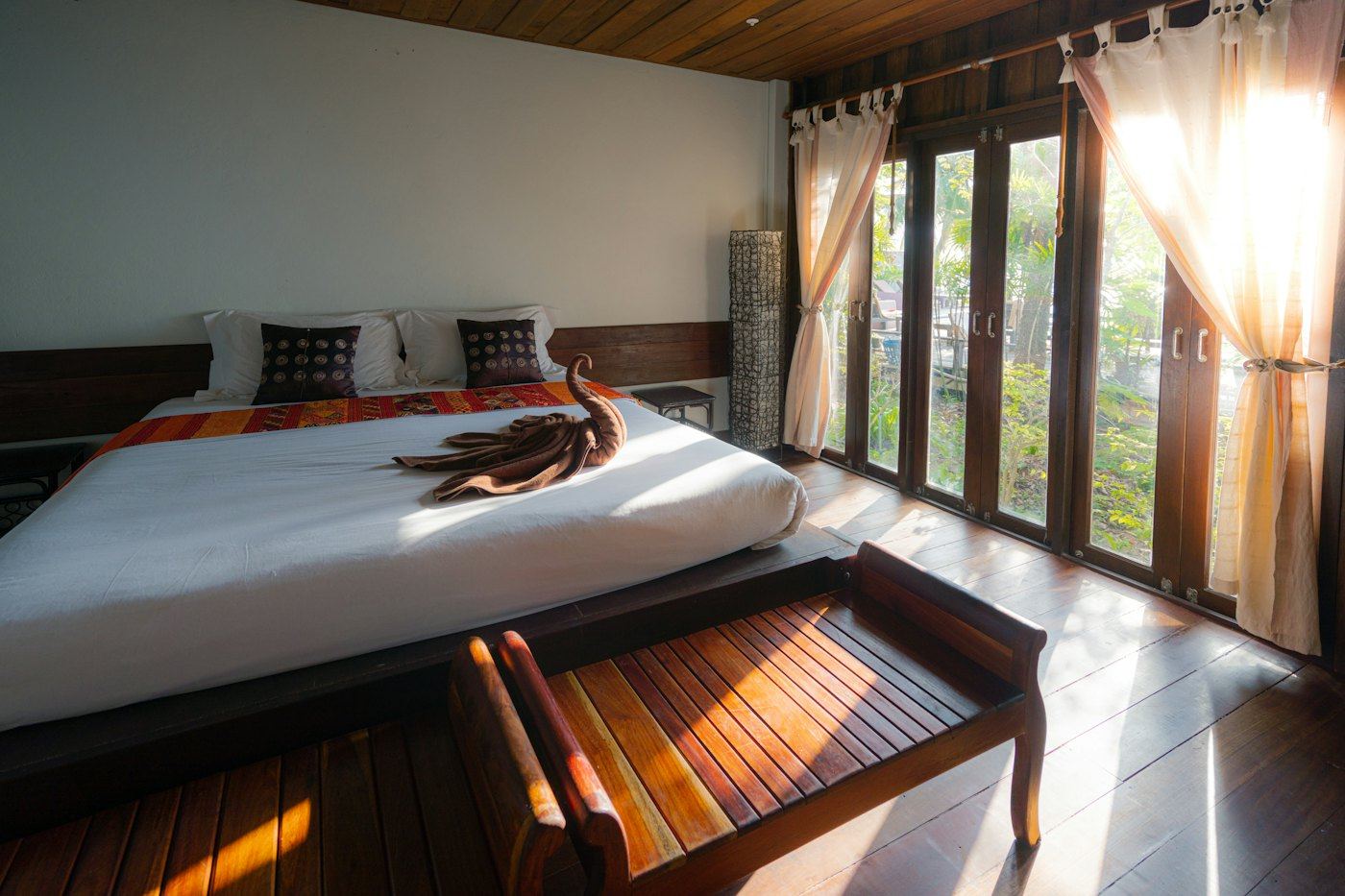
Hotel developers, operators and fit-out contractors source hotel furniture from Turkey because it can be made to the project's drawings, finished in the chosen materials and shipped in containers to many markets. But a hotel order is not a large retail order. It runs on a schedule tied to an opening date, it has to pass the operator's standards and every room must arrive complete.
This guide explains how a contract furniture (FF&E) project normally works, which technical requirements to plan for, and what information a supplier needs to give you a realistic quote. The same approach applies to serviced apartments and student housing.
What FF&E covers in a hotel project
FF&E stands for furniture, fixtures and equipment: the movable and loose items that are not part of the building structure. In guest rooms this typically includes beds and headboards, bedside tables, desks and chairs, wardrobes or luggage racks, TV units, minibar cabinets, lounge chairs and sofas. Suites add dining and living pieces. Public areas such as the lobby, restaurant and meeting rooms have their own packages.
Built-in joinery like wall panelling may be handled separately depending on the contract, so define the scope clearly at the start.
The project process from drawings to delivery
- Plans and measurements. The supplier reviews room plans, design intent and the item list, and checks dimensions against the actual rooms.
- Quote and material samples. Fabric, wood and surface samples are prepared, and a price per room type (standard, suite) is given.
- Value engineering. Where the budget is tight, alternatives are proposed: a different panel, finish or construction that keeps the look while reducing cost.
- Mock-up room. A sample room is built and installed. Designers and the operator check comfort, finishes, clearances and details. Changes are made at this stage, not after series production.
- Approval and series production. After sign-off, production runs according to the schedule given in the quote, based on the number of rooms.
- Packing and installation. Packaging is labelled by room number so the installation team knows exactly where everything goes.
Contract-grade requirements: durability
Hotel furniture is used by many people, moved by housekeeping every day and cleaned with stronger products than in homes. Typical points to specify:
- abrasion resistance of upholstery, commonly 30,000 Martindale cycles or more for contract use, and higher for heavy-duty seating,
- hard-wearing surfaces on desks and tops, with protected edges,
- solid joints and reinforced chair frames,
- removable covers where practical, and replaceable parts.
Fire safety standards for upholstered furniture
Fire requirements depend on the country, the building type and the hotel operator's brand standards. Some of the standards you may see in a specification:
- BS 5852 (UK): ignition tests for upholstered seating using sources ranging from a smouldering cigarette and a match-equivalent flame to wooden cribs. Contract specifications often refer to the higher crib sources.
- BS 7176 (UK): specifies resistance to ignition for upholstered furniture in non-domestic seating by hazard level (low, medium, high, very high), using the BS 5852 tests.
- EN 1021-1 and EN 1021-2 (Europe): cigarette and match-equivalent tests for upholstered seating.
- California TB 117-2013 (US): a smoulder-resistance standard for upholstered furniture.
Which test applies, and at what level, should come from the project's fire consultant or the operator. A flame-retardant fabric option is available for contract work; test documents for a specific fabric and foam combination should be requested and checked at quotation stage.
What to send for a hotel furniture quote
- Number of rooms by type (standard, suite, accessible rooms).
- Room plans, elevations or the designer's FF&E schedule.
- Preferred materials, colours and any brand standards.
- Fire and durability requirements for the destination country.
- Target opening date and site access for installation.
- Delivery terms you prefer (for example FOB or CIF) and the destination port.
With this, a supplier can give a price per room, a sample and mock-up plan and a production schedule you can work with.
Apartments, student housing and other projects
The same process works well for serviced apartments, residences and student housing. These projects often repeat a small number of unit types many times, so a mock-up unit and clear unit-numbered packaging save a lot of time on site. Durable fabrics, removable covers and simple, sturdy case goods are usually the priority.
Hotel projects with ARLAS Global Home
ARLAS Global Home runs hotel projects with experienced partner manufacturers in Turkey: plan review and measurement, quote and samples, mock-up room, series production after approval and room-numbered packaging for installation. Standard and suite room packages are adapted to each project's plans. Send your room count, plans and opening date to request a quote.
Frequently asked questions
Is a mock-up room necessary?
It is strongly recommended. It lets the designer and operator check comfort and details before series production, when changes are still simple.
Can hotel furniture be made to our designer's drawings?
Yes. Standard and suite packages are adapted to the project's plans, with materials confirmed through samples.
Which fire standard do we need?
It depends on the country and the operator. Your fire consultant or brand standards define it; ask for test documents for the exact fabric and foam at quotation stage.
How is the production time set?
The schedule is given in the quote and depends on the number of rooms and the items in each room.
By ARLAS Global Home · Updated: